







 SponsoredSponsored
Sponsored New partnership puts THUN products back in the spotlight
There are products in the bicycle industry whose quality is widely respected and well known among insiders, even if their name rarely appears in the spotlight. THUN is a prime example of this. But that is about to change.
Why US tariffs are becoming a fixed cost for EU importers
The United States Supreme Court decision to strike down US President Donald Trump's tariffs, followed by his swift executive order to implement new 10% tariffs, has thrown the global bicycle industry into disarray. In the wake of this political jockeying for control over imports and the billions of dollars they represent, European Union bike importers now face a complicated legal process to recover what they lost to the now-defunct IEEPA (International Emergency Economic Powers Act) tariffs.
Accell in 'final steps of transformation' as fundamental reset of business nears end
Following well-documented financial struggles over the last few years, Accell today has stated that the last debt reduction has further stabilised the company, "while additional funding enabled Accell to accelerate the execution of the final steps of its transformation." As it prepares for this season with a sharpened portfolio of new models and a significantly leaner build after divesting non-core brands, is the once mighty Accell Group now out of the woods?

Shimano Europe overrules Japan and exhibits at Eurobike 2026
The announcement earlier this year that Shimano would not exhibit was regarded as a decisive moment for the future of Eurobike. According to the Japanese component manufacturer, "the industry continues to evolve, and we are prioritising our customer- and consumer-focused events." Two and a half months later, the show reality has changed again and Shimano's European representation announced its presence in Frankfurt this June.

US Bicycle Leadership Conference provides a concept Europe needs
The growing complexity of the e-bike and bicycle landscape, across business, legal and mobility, requires industry alignment from time to time. Europe is left with some small-scale or national gatherings since the German industry association ZIV pulled out of Eurobike. The United States industry organisation PeopleForBikes developed the Bicycle Leadership Conference as the country's foremost education and networking event for the sector. Can this format be adapted for the European market?
 SponsoredSponsored
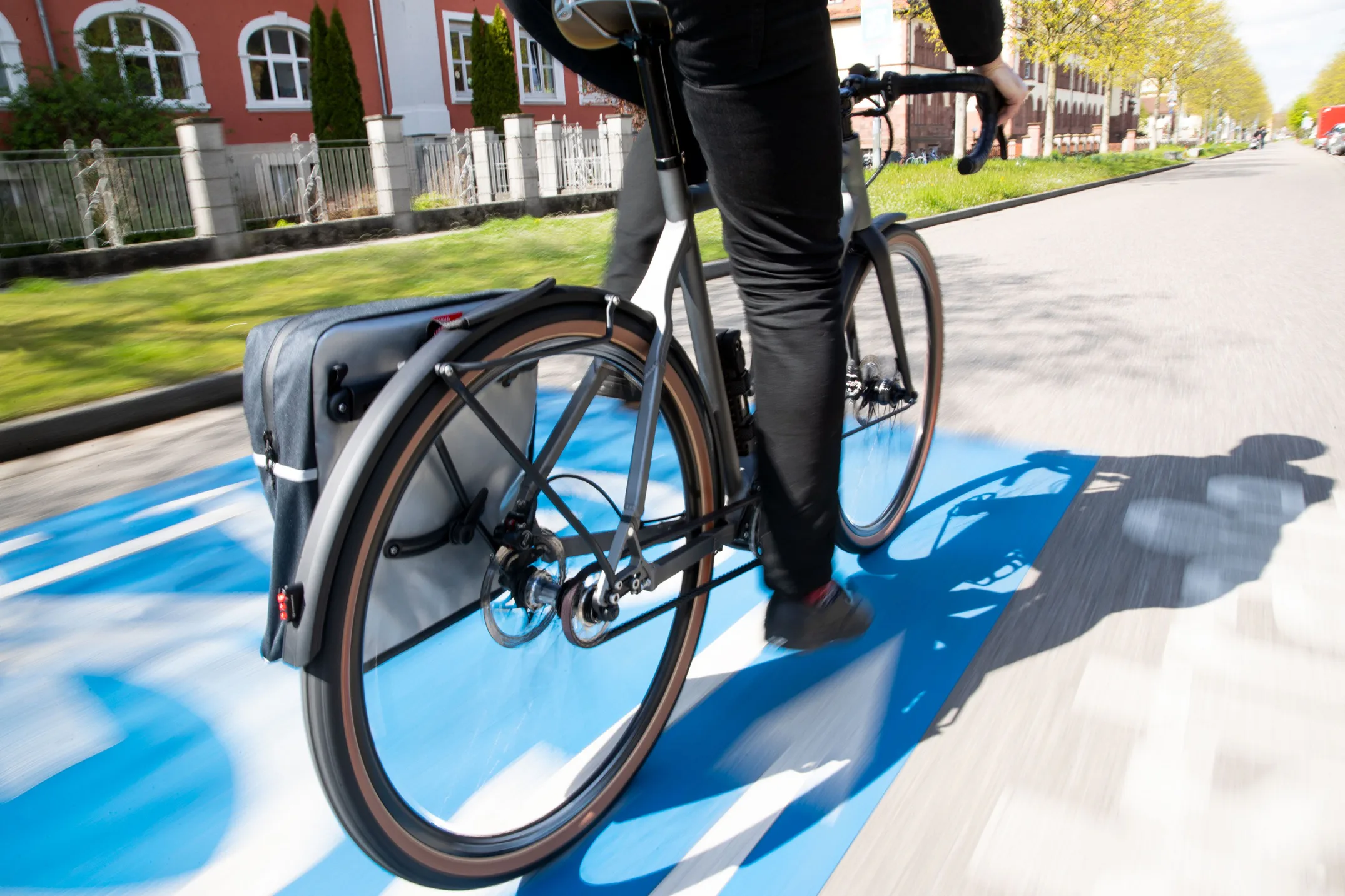
Sponsored Driving the next era of drivetrain performance
The way power moves through a bicycle is changing. Higher torque, smarter integration, and riders demanding more from their drivetrains across every category are reshaping what the industry expects from its components. Gates has been anticipating this shift for years, and the conversation around belt drive has never been louder. The word "conversation" is intentional.
ZEG takes drastic steps in strategic realignment
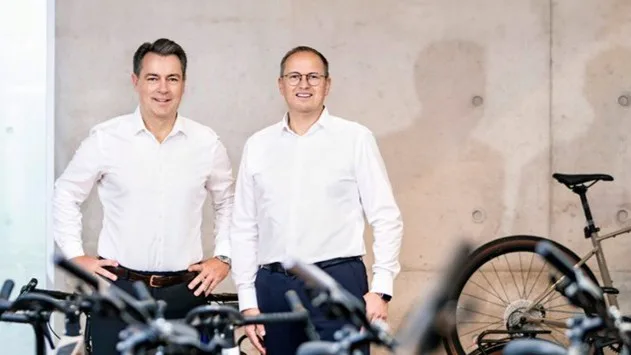
Europe's largest specialist bicycle retail association, Zweirad-Einkaufs-Genossenschaft (ZEG), appointed a new board member as part of its strategic realignment. The recently appointed Matthias van de Loo has assumed the role of chief financial & chief operating officer (CFO/COO). According to the dealer cooperative, "the strategic realignment is consistently pursued, with a focus on implementation and a future-oriented approach."

Austrian bicycle market stabilises at new normal in 2025
After several challenging years for the bicycle industry, the Austrian industry and market proved remarkably stable in 2025. It went back to normal. In 2025, Austria's bicycle and sporting goods retail sector sold approximately 389,000 units.
 Subscribers onlySubscribers only
Subscribers only 'Made in Taiwan' shifting to 'Made by' and 'Made with' Taiwan?
Taiwan exported fewer than 77,000 e-bike units in the first quarter of 2026. This marks a 15% year-on-year drop from 2025 and the lowest Q1 e-bike exports since 2018. This also signals that the world's bicycle manufacturer is still struggling to get a firm grip on the electrified bike market post-Covid. The export value of regular bicycles also continues to drop 17% in Q1, but little is heard about consolidations or bankruptcies in the Taiwanese bicycle industry. As the total export value dips under $10 billion for the last two consecutive quarters, could the value shift be taking place outside of Taiwan's borders?
 SponsoredSponsored
Sponsored A global platform to advance global cooperation and innovation: China Cycle 2026
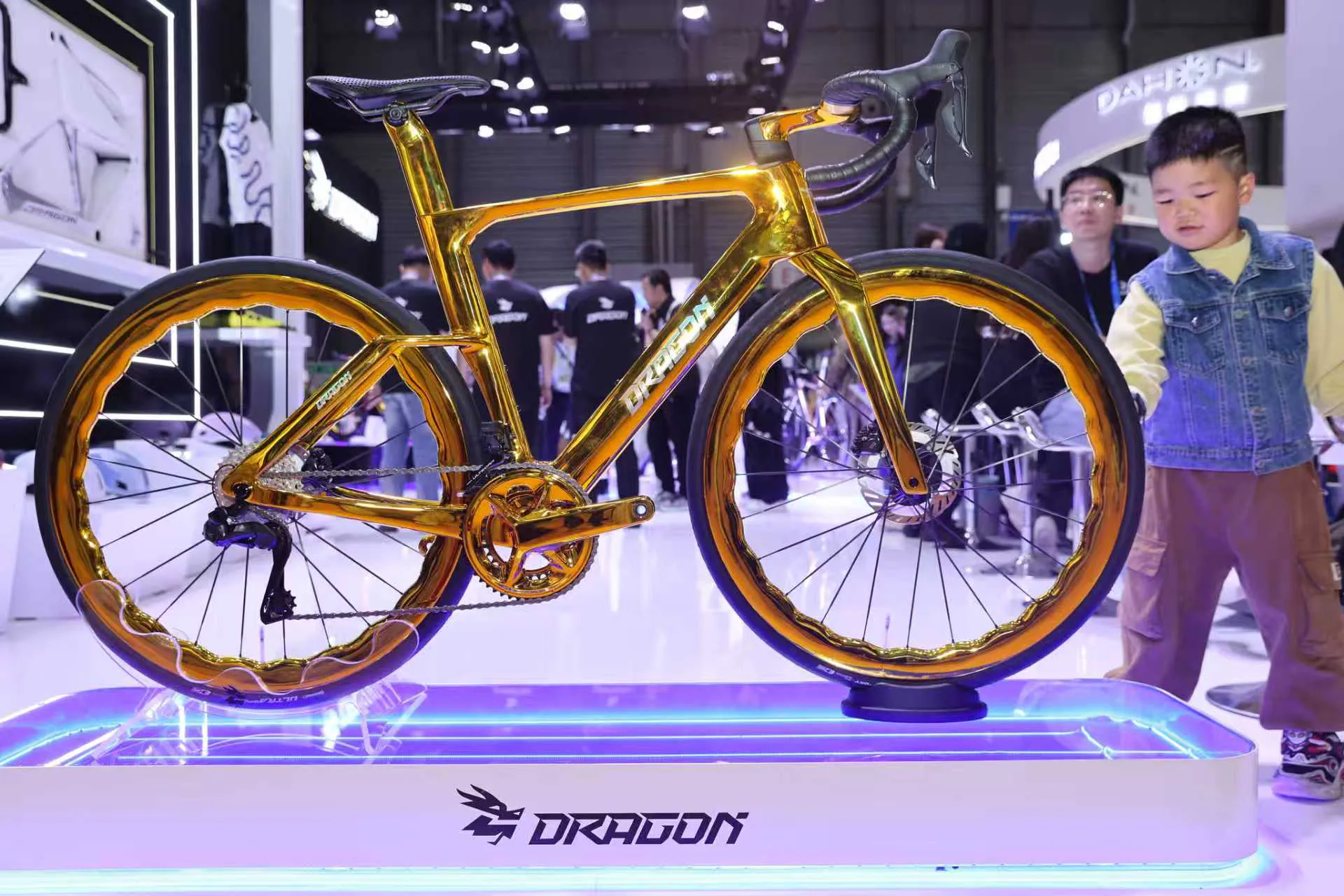
Building on three decades of expertise and innovation, China Cycle has evolved into a pivotal hub shaping global trends in the two‑wheeler industry. This year's event will span 13 exhibition halls, presenting a full lineup of bicycles, components, and related technologies. Upgraded trade matching sessions and cross‑border procurement services will further provide exhibitors and global buyers with streamlined, high‑impact networking opportunities.
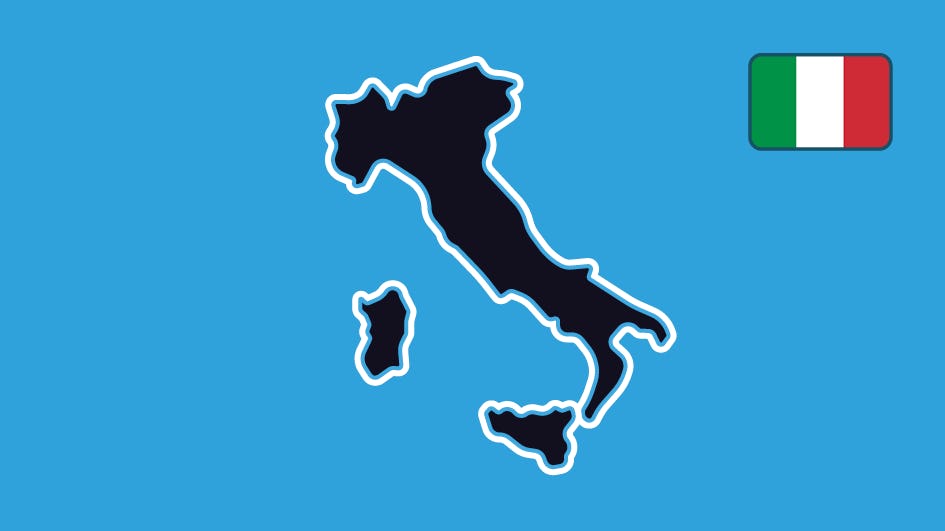
Atala CEO Massimo Panzeri: Rising prices and weak purchasing power stall Italian bike sales
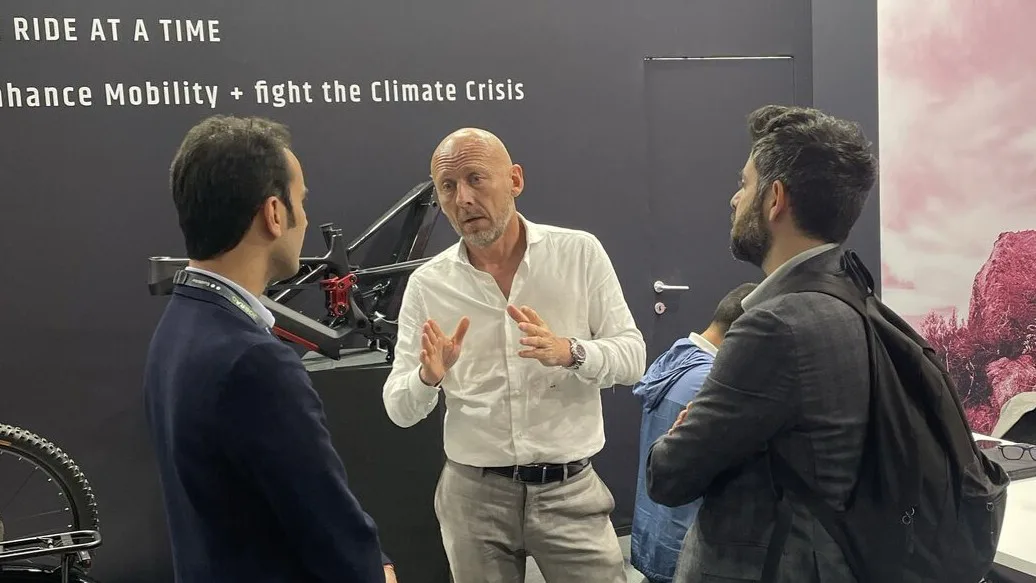
Price dumping, retail distress, safety and cycling culture were frequently cited as key factors behind the current downturn in the Italian e-bike and bicycle market. But what is really holding back the Italian bicycle market? Massimo Panzeri, Atala CEO, former president of CONEBI and now a board member of European Cycling Industries, shared his shocking perspective with Bike Europe.
 SponsoredSponsored
Sponsored Joycube targets safer, longer-range e-bikes with semi-solid battery technology
At Eurobike 2025, Joycube showcased their semi-solid battery solution that combines solid-state benefits with practical production. Joycube R&D manager Olivia Huang explains how it is designed to meet the needs of both the Chinese and European e-bike markets.
Giant Group chairman: meeting international labour standards is our obligation
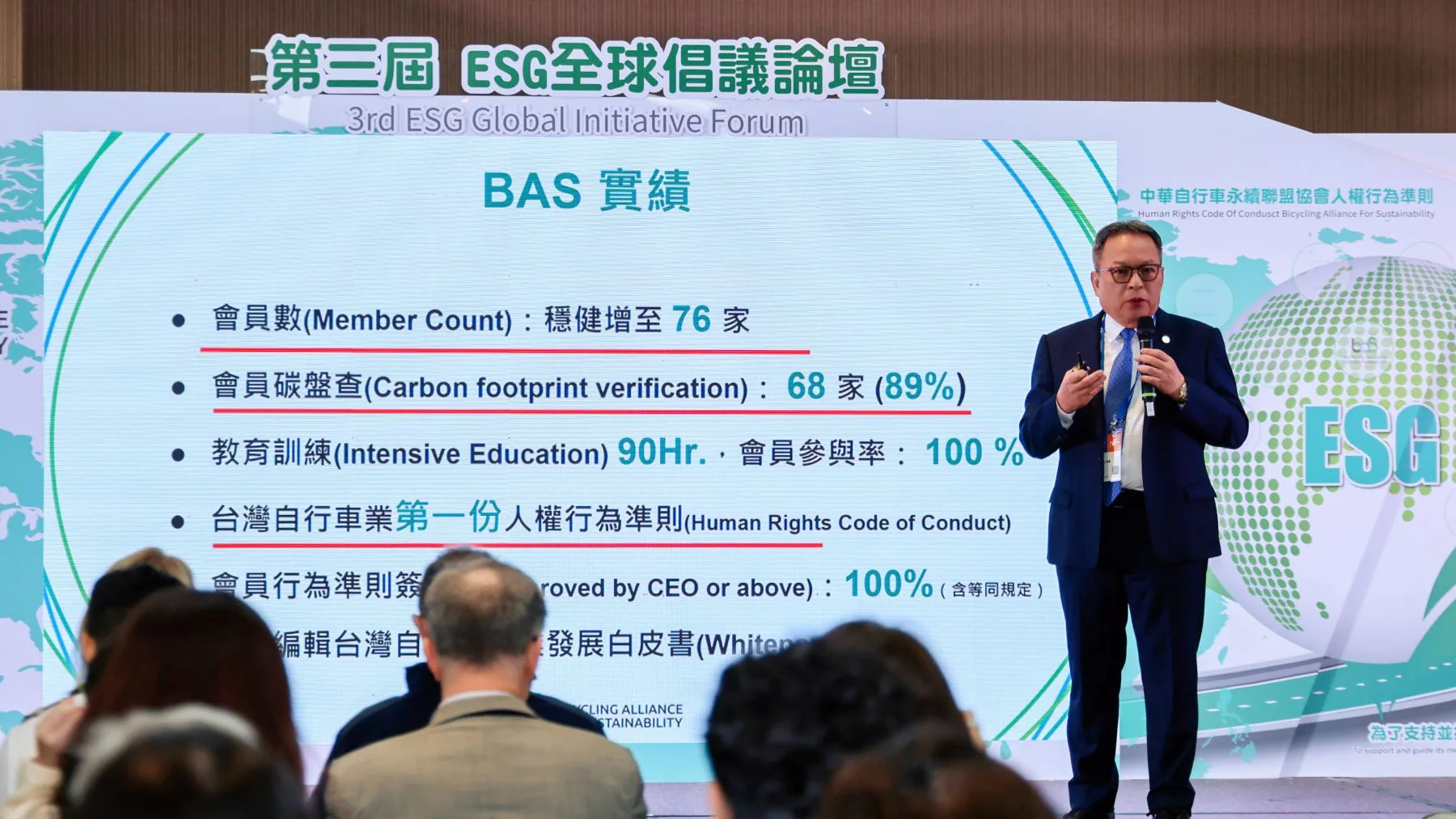
When it comes to migrant workers in Taiwan, a core issue is how the country's domestic labour laws don't align with international standards, but measures are being taken to adjust this. "As an exporting nation, meeting international standards is our mission and our obligation," said Giant Group and Bicycle Alliance for Sustainability (BAS) Chairman Young Liu during his opening statement at the ESG Forum during Taipei Cycle Show.

Bob Margevicius: Cycling industry must deliver to prove its place in sustainable transport
The lack of verified data on cycling's role in the wider mobility sector is starting to weigh heavily on the industry. The UN Decade of Sustainable Transport (2026-2035) could be the next moment for the bicycle industry to claim a larger space within mobility. But what can the industry add to these meetings? No verified data is available on the role of cycling in mobility. The WBIA (World Bicycle Industry Alliance) meeting during the Taipei Cycle Show gave some clarifications.

New bike leasing programs target access and affordability gaps
As Europe continues to see widespread adoption of the bike-leasing model, the development of two new programs shows how the model is diversifying. The standardised bike-leasing format has taken over corporate offices, offering employees an alternative path to bike ownership with swanky new e-bikes for a reduced overall cost.
 Subscribers onlySubscribers only
Subscribers only Italy's bicycle market hits the brakes in 2025 with sales down 4%
The Italian bicycle market closed 2025 in negative territory, confirming what now appears to be a structural downturn. Data released by Confindustria ANCMA and presented at Pirelli's advanced bike tyre manufacturing facility in Bollate near Milan, show total sales of 1.3 million units, down 4% year on year.
60 brands adopt Avinox's second-generation drive system
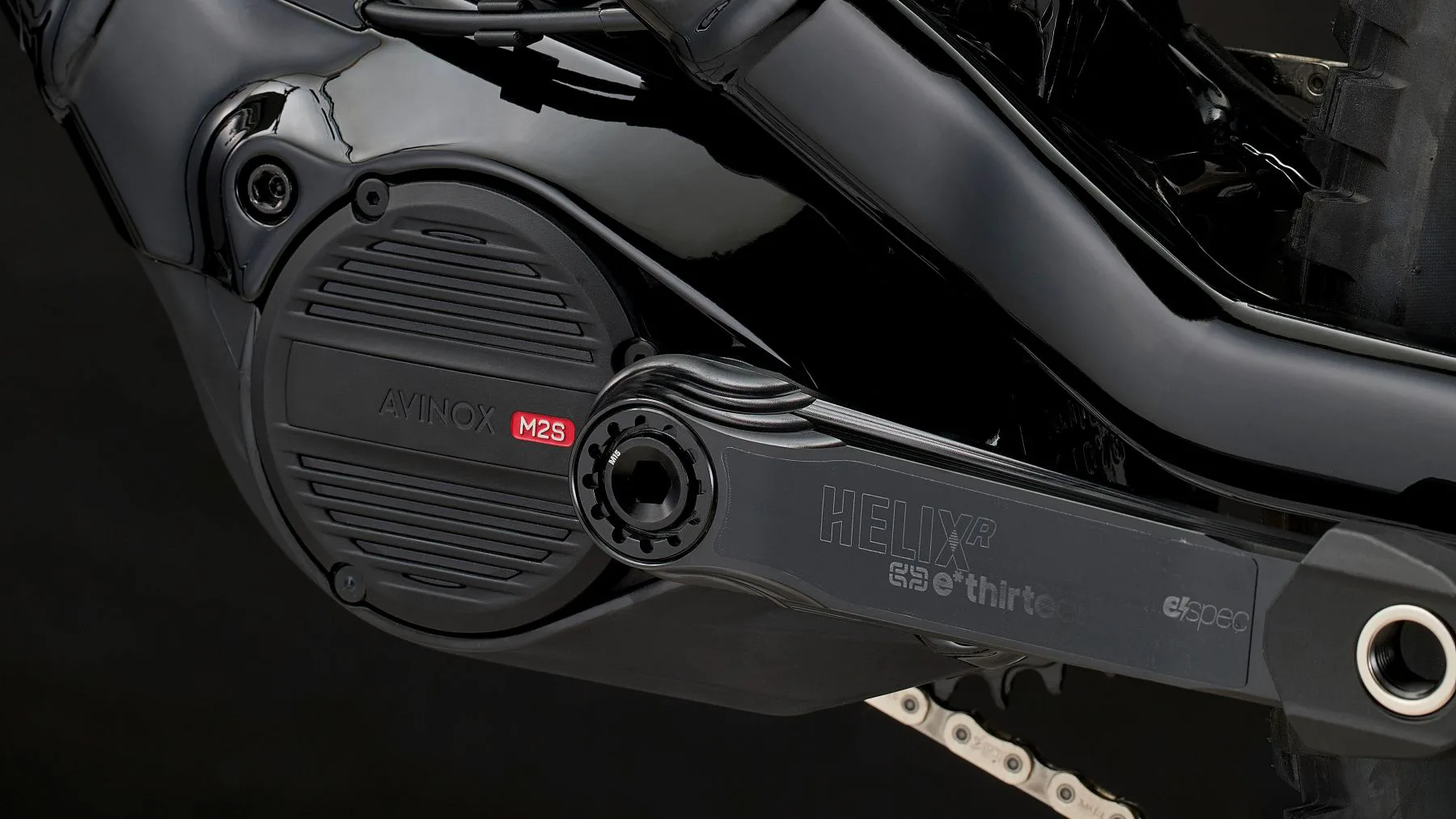
Long rumoured, the second generation of Avinox's drive system has been announced this morning. Following on from the Avinox M1 e-bike drive system, which launched two years ago under the wing of parent company DJI, the next evolutions of the drive system, the Avinox M2S and Avinox M2 have officially been launched. Claiming "unmatched power, control, range and efficiency," the Chinese manufacturer's draw continues at speed as 60 industry partners confirmed integration of the newest systems.

DJI: the missed opportunity?
No other industry relies so much on the branding of its components as the bicycle industry does. The final products in the shops are seldomly referred to as a recollection of well-known parts with a bike brand name on the down tube. This structure originates from the extreme fragmentation of the bicycle industry. Except for Raleigh, almost all brands had only national or regional distribution, making it difficult to invest in innovations. The component manufacturers adopted multinational or global distribution earlier, giving them a head start in branding compared with the bicycle brands.